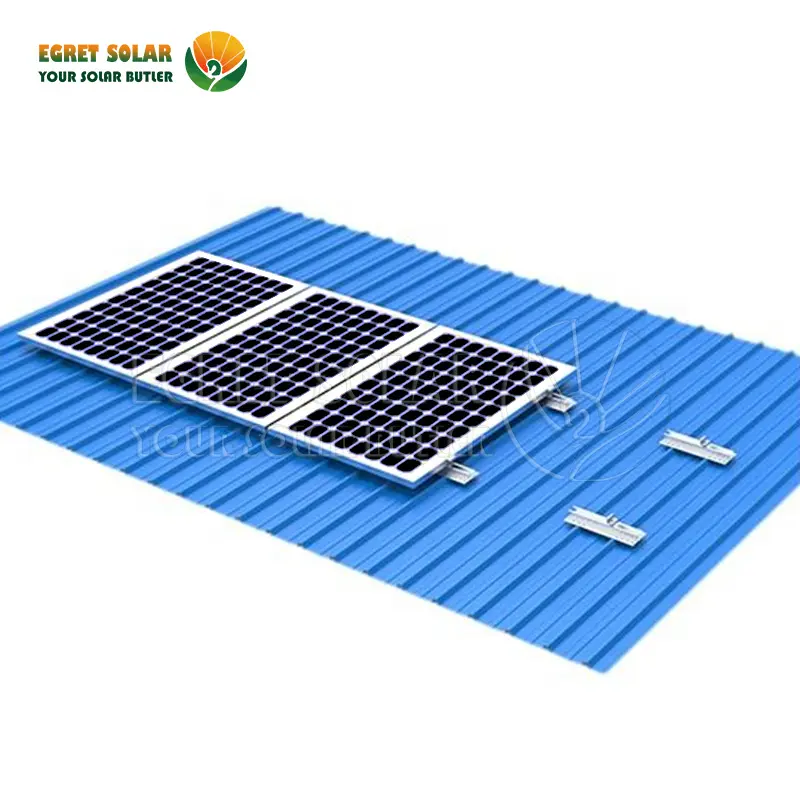
Material strategy
Use the right aluminum, steel, and fastening logic for the actual environment, roof type, and project budget instead of defaulting to generic specifications.

Use the right aluminum, steel, and fastening logic for the actual environment, roof type, and project budget instead of defaulting to generic specifications.
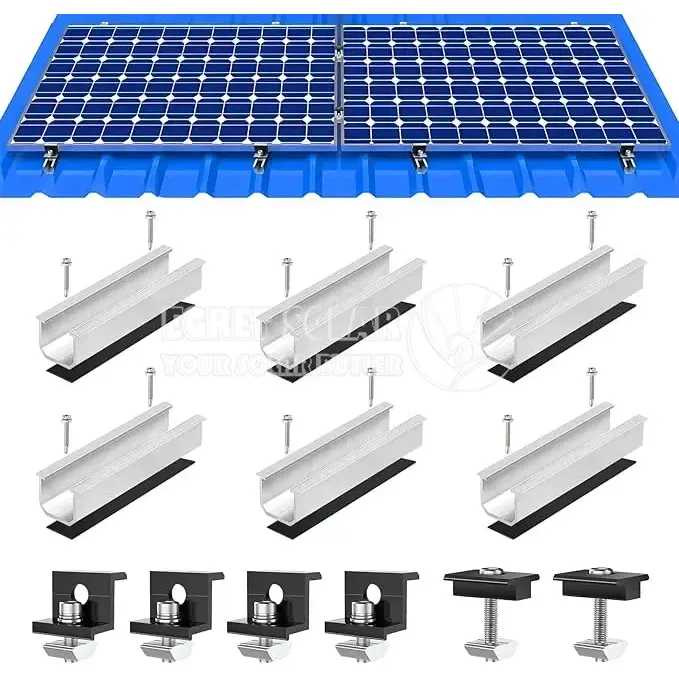
Wind load, snow load, connection points, and layout constraints should be part of the pre-quotation conversation when projects need dependable installation outcomes.
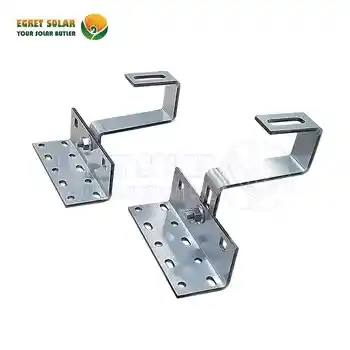
Corrosion resistance and finish selection directly affect lifecycle confidence, especially for buyers comparing coastal, industrial, or high-humidity applications.
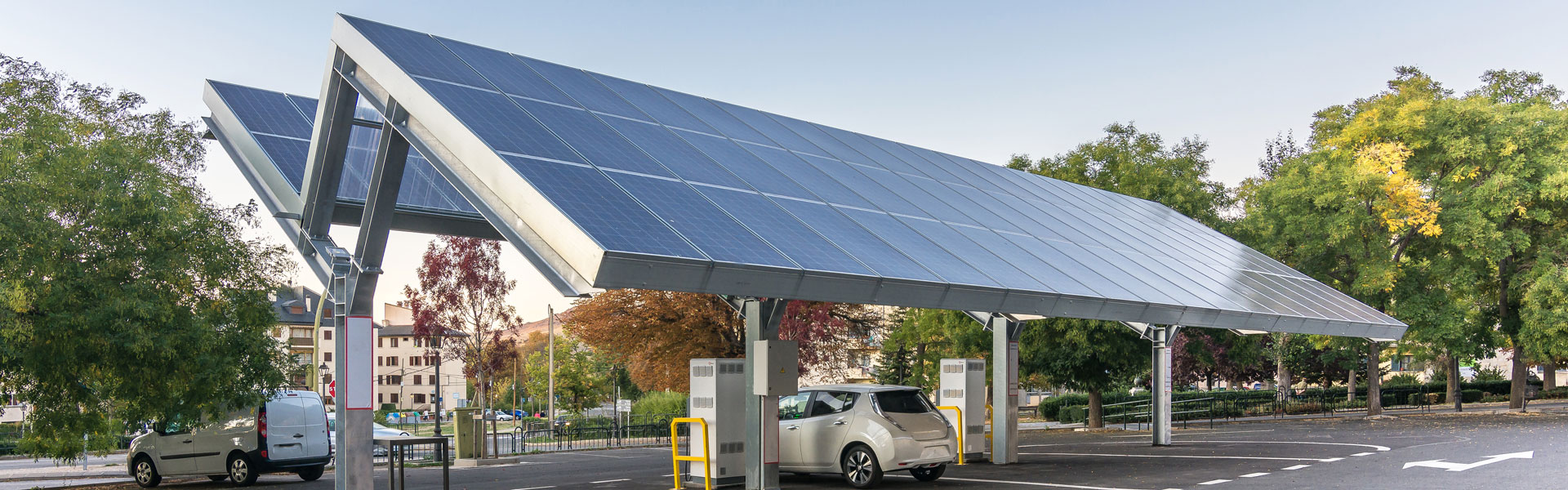
Repeatability is not only about fabrication. It also depends on dimensional checks, part identification, and shipment-ready packaging that reduces confusion downstream.
Technical trust is easier to communicate when engineering language is paired with real production imagery. Factory and project visuals help connect structural claims to something tangible for buyers.
Search engines and buyers both reward pages that are technically coherent. Clear engineering language makes the page more relevant for mounting-system keywords, and it helps serious buyers understand why your offer is more than a generic catalog listing.
Roof type, wind or snow conditions, module layout, target market, and estimated quantity all help reduce back-and-forth before quotation.
Yes. The page positioning now reflects buyer expectations around material selection, surface treatment, and environment-specific durability concerns.
Yes. OEM and distributor buyers often use this page to evaluate whether the supplier can communicate beyond a simple product list.
Email the project details or send them directly by WhatsApp so the sales team can route them into the right solution discussion immediately.